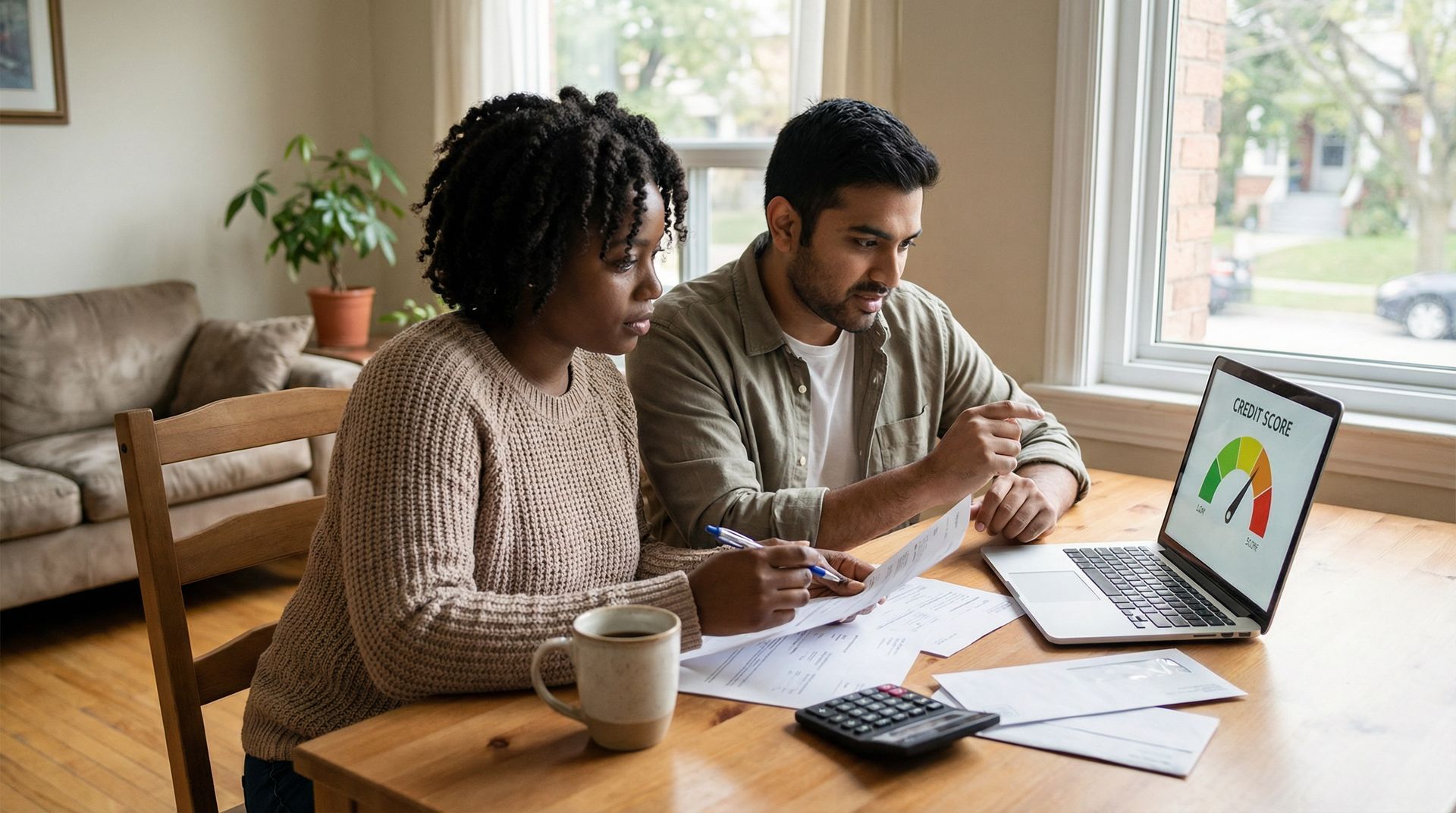
What is a Second Mortgage?
If you're not all that familiar with the ins and outs of mortgage financing, the term "second mortgage" might cause a bit of confusion. Many people incorrectly assume that a second mortgage is arranged when your first term is up for renewal or when you sell your first home. They think that the next mortgage you get is your "second mortgage." This is not the case.
A second mortgage is an additional mortgage on a single property, not the second mortgage you get in your lifetime.
When you borrow money to buy a house, your lawyer or notary will register your mortgage on the property title in what is called first position. This means that your mortgage lender has the first claim against the sale proceeds if you sell your property. If you happen to default on your mortgage, this is the security the lender has in repossessing your property. A second mortgage falls in behind the first mortgage on your property title.
When you sell your property, the lawyers will use the sale proceeds to pay off your mortgages in sequence, the first position mortgage is paid out first, and the second mortgage is paid out second. After both mortgages are paid off completely, you get the remaining equity.
When you secure a second mortgage, you continue making payments on your first mortgage as per your mortgage agreement. You must also then fulfill the terms of the second mortgage.
So why would you want a second mortgage? Well, a second mortgage comes in handy when you're looking to access some of your home equity, but you either have excellent terms on your first mortgage that you don't want to break, or you’d incur a huge penalty to break your first mortgage. Instead of refinancing the first mortgage, a second mortgage can be a better option.
A second mortgage is often used as a short-term debt consolidation tool to help provide you with better cash flow. If you’ve accumulated a considerable amount of high-interest unsecured debt, and you have equity in your home, you can secure a second mortgage to lower your overall cost of borrowing.
If you'd like to know more about how a second mortgage works, or if you'd like to discuss anything related to mortgage financing, please connect anytime!