
Time to Talk Taxes

Jackson Middleton • September 5, 2017

Hope you had a great labour day long weekend, September is here and it’s back to routine! Get ready for pumpkin spice everything.
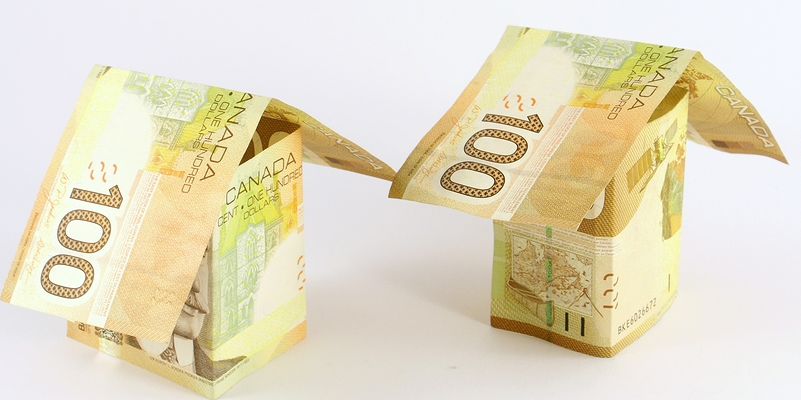
In Canada, and certainly in the large urban centres, there are few topics that get more press than real estate these days. It seems that few conversations are capable of lasting more than a single digit number of minutes before some aspect of the topic arises.

Much of the talk is about how action should be taken to rein in rising prices — and to be fair, even those who currently own property are part of this group, as many are parents who would one day like to see their adult children living in homes of their own.

According to a new study by the Fraser Institute, the average Canadian family spent more on taxes in 2016 than any other one thing.

The study cites average family earnings in 2016 as $83,105. Housing costs, which considered both rents and mortgage payments, combined with food and clothing, totaled $31,069.

Total taxes came to $35,283.

Housing costs alone stood at 22.1% of household costs, yet taxes took a 42.5% share.

While taxes are important, as of course they fund many critical public services that we rely on, there is still some question as to the return on investment of our tax dollars.

Perhaps there is a certain sense of futility we feel when it comes to changing taxation in any way, and perhaps that is why there are few rallies to reduce taxes, or to encourage more efficient use of tax dollars, as compared to rallies for action on affordable housing.

The level of futility seems to be growing when it comes to real estate though. And no doubt it is always a concern when governments do take specific actions in a free market society, as often those actions have unintended consequences.

In any event, it would be interesting if, instead of discussing real estate, an equal amount of time, energy, and media attention focused on where our tax dollars go, and why the government requires so many of them.


This article was originally published in the Dominion Lending Centres September 2017 newsletter.
RECENT POSTS 

By Deploy.Mortgage April 10, 2026
Your credit score is one of the most important numbers in your financial life — especially when it comes to getting a mortgage. But for most Canadians, how that number actually gets calculated remains a bit of a mystery.
By DLC Canadian Mortgage Experts December 28, 2022
Did you know there’s a program that allows you to use your RRSP to help come up with your downpayment to buy a home? It’s called the Home Buyer’s Plan (or HBP for short), and it’s made possible by the government of Canada. While the program is pretty straightforward, there are a few things you need to know. Your first home (with some exceptions) To qualify, you need to be buying your first home. However, when you look into the fine print, you find that technically, you must not have owned a home in the last four years or have lived in a house that your spouse owned in the previous four years. Another exception is for those with a disability or those helping someone with a disability. In this case, you can withdraw from an RRSP for a home purchase at any time. You have to pay back the RRSP You have 15 years to pay back the RRSP, and you start the second year after the withdrawal. While you won’t pay any tax on this particular withdrawal, it does come with some conditions. You’ll have to pay back the total amount you withdrew over 15 years. The CRA will send you an HBP Statement of Account every year to advise how much you owe the RRSP that year. Your repayments will not count as contributions as you’ve already received the tax break from those funds. Access to funds The funds you withdraw from the RRSP must have been there for at least 90 days. You can still technically withdraw the money from your RRSP and use it for your down-payment, but it won’t be tax-deductible and won’t be part of the HBP. You can access up to $35,000 individually or $70,00 per couple through the HBP. Please connect anytime if you’d like to know more about the HBP and how it could work for you as you plan your downpayment. It would be a pleasure to work with you.