Robust Canadian Jobs Report for December Tops Off a Blockbuster Year

Jackson Middleton • January 10, 2018

The highly anticipated December Labour Force Survey, released by Stats Canada, surpassed forecasts breaking multi-year records.

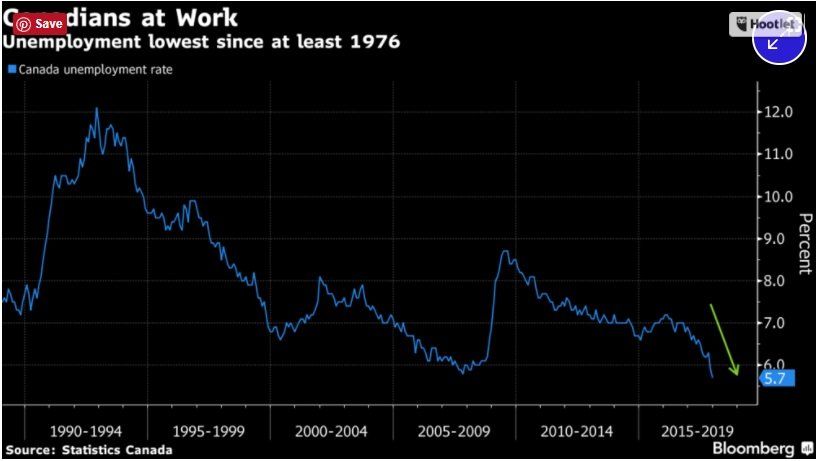
Canada’s jobless rate fell to 5.7% in December, its lowest level in more than 40 years, raising the prospects for a Bank of Canada rate hike possibly as soon as this month. The number of jobs rose by 78,600 bringing the full-year gain to 422,500, the best annual increase since 2002. While most of the jobs in December were part-time, nearly all of the net jobs created in 2017 were in full-time work (+394,000 or +2.7%).

Since September, the country added 193,400 jobs, the largest three-month gain since current records began in 1976. Canadian bond yields and the currency rose sharply in the wake of these data. The loonie surged to over 80.50 cents U.S. According to Bloomberg News, the odds of a rate hike at the Bank of Canada’s next meeting on January 17 soared to 70%, from 40% yesterday, based on trading in the swaps market.

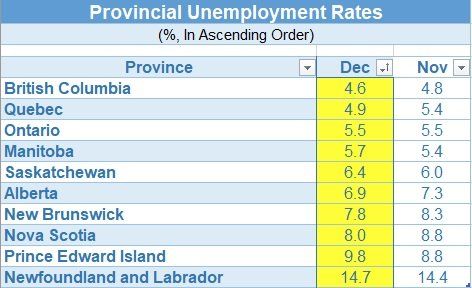
The largest employment gains in December were in Quebec and Alberta. In December, 25,000 more people were employed in finance, insurance, real estate, and rental and leasing, following three months of little change. For the year as a whole, jobs increased by 3.5% in the goods-producing sector and by 2.0% in the services-producing sector.

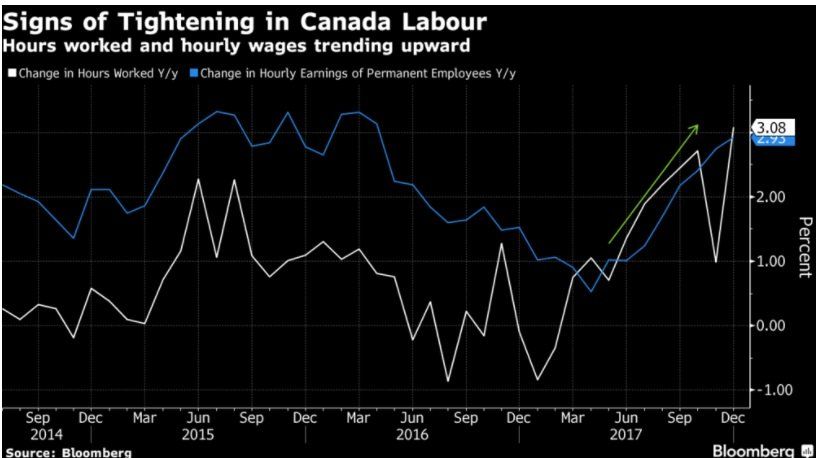
Actual hours worked in December were 3.1% above year-ago levels, the fastest since 2010. As well, new data show that wages are finally accelerating having been stagnant for much of 2017. Wage gains for permanent employees accelerated to 2.9% year-over-year from 2.7% last month–another closely watched indicator for the Bank of Canada.
This post was written by Dr. Sherry Cooper, Chief Economist, Dominion Lending Centres. It was originally published here.

RECENT POSTS 

By Deploy.Mortgage April 10, 2026
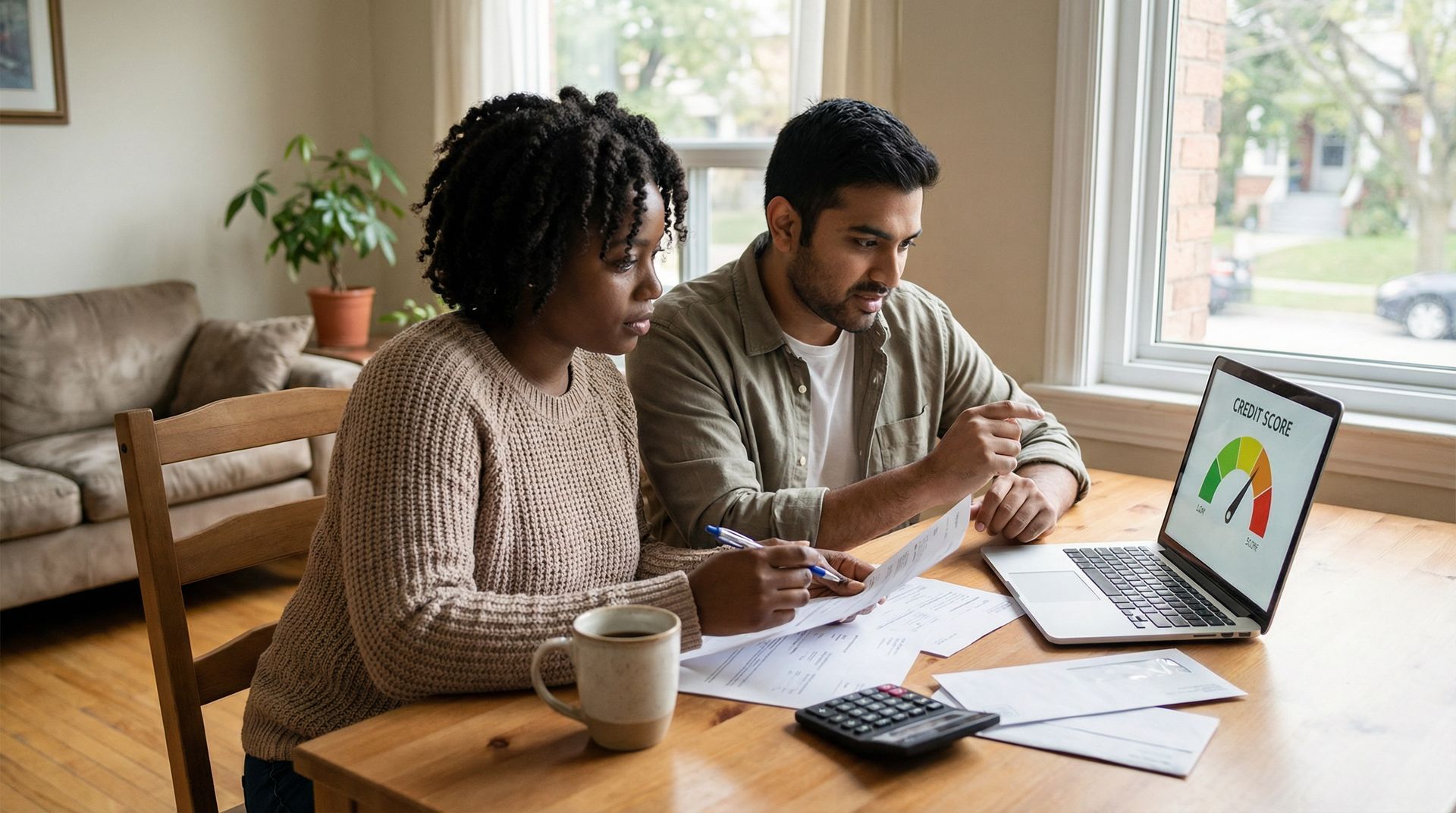
Your credit score is one of the most important numbers in your financial life — especially when it comes to getting a mortgage. But for most Canadians, how that number actually gets calculated remains a bit of a mystery.
By DLC Canadian Mortgage Experts December 28, 2022
Did you know there’s a program that allows you to use your RRSP to help come up with your downpayment to buy a home? It’s called the Home Buyer’s Plan (or HBP for short), and it’s made possible by the government of Canada. While the program is pretty straightforward, there are a few things you need to know. Your first home (with some exceptions) To qualify, you need to be buying your first home. However, when you look into the fine print, you find that technically, you must not have owned a home in the last four years or have lived in a house that your spouse owned in the previous four years. Another exception is for those with a disability or those helping someone with a disability. In this case, you can withdraw from an RRSP for a home purchase at any time. You have to pay back the RRSP You have 15 years to pay back the RRSP, and you start the second year after the withdrawal. While you won’t pay any tax on this particular withdrawal, it does come with some conditions. You’ll have to pay back the total amount you withdrew over 15 years. The CRA will send you an HBP Statement of Account every year to advise how much you owe the RRSP that year. Your repayments will not count as contributions as you’ve already received the tax break from those funds. Access to funds The funds you withdraw from the RRSP must have been there for at least 90 days. You can still technically withdraw the money from your RRSP and use it for your down-payment, but it won’t be tax-deductible and won’t be part of the HBP. You can access up to $35,000 individually or $70,00 per couple through the HBP. Please connect anytime if you’d like to know more about the HBP and how it could work for you as you plan your downpayment. It would be a pleasure to work with you.