Maternity/Parental Leave, and Qualifying for a Mortgage

Jackson Middleton • January 27, 2020

So your family is growing! Congratulations!

If you’ve thought now is the time to find a new property to accommodate your growing family, but you’re unsure how your maternity or parental leave will impact your ability to get a mortgage, you’ve come to the right place!

Here’s the skinny. It won’t be a problem to qualify your income on a mortgage application, as long as you have documentation proving that you have a guaranteed position to return to.

While taking parental/maternity leave, if you walk into your local bank to get qualified, there is a chance they will only allow you to use the income you are currently receiving to qualify for a mortgage (55% of your income up to $562/week). This means you will qualify for significantly less, as your income is a fraction of what it is when you’re working.

The advantage of working with a mortgage broker is that you have a choice between mortgage products and institutions. This includes lenders who will use 100% of your return to work income. To do this, you need an employment letter from your employer that states the following:

  • Your employer’s name
  • Your position
  • Your initial start date
  • Your return to work date
  • Your salary

From there, you might also need to provide a history of income, but that is typical to mortgage financing.

What you decide to do; whether you return to work after your parental/maternity leave or not, is entirely up to you. However, for a lender to feel confident in your ability to cover your mortgage payments while qualifying, you will need to have a position waiting for you once your leave is over, and the letter to prove it.

If you have any questions about this or anything else mortgage qualification related, please don’t hesitate to contact any of our Canadian Mortgage Experts anytime!

RECENT POSTS 

By Deploy.Mortgage April 10, 2026
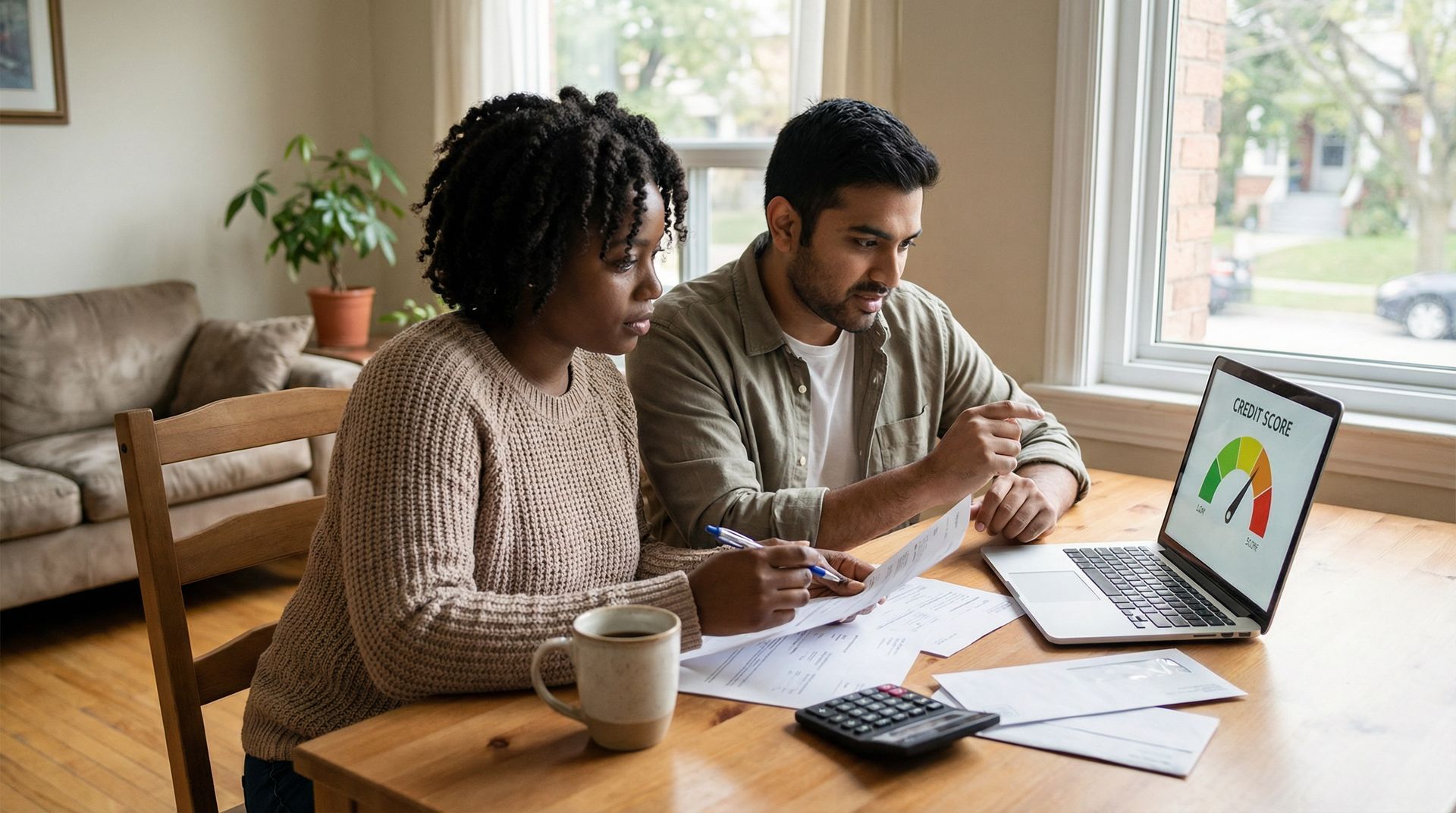
Your credit score is one of the most important numbers in your financial life — especially when it comes to getting a mortgage. But for most Canadians, how that number actually gets calculated remains a bit of a mystery.
By DLC Canadian Mortgage Experts December 28, 2022
Did you know there’s a program that allows you to use your RRSP to help come up with your downpayment to buy a home? It’s called the Home Buyer’s Plan (or HBP for short), and it’s made possible by the government of Canada. While the program is pretty straightforward, there are a few things you need to know. Your first home (with some exceptions) To qualify, you need to be buying your first home. However, when you look into the fine print, you find that technically, you must not have owned a home in the last four years or have lived in a house that your spouse owned in the previous four years. Another exception is for those with a disability or those helping someone with a disability. In this case, you can withdraw from an RRSP for a home purchase at any time. You have to pay back the RRSP You have 15 years to pay back the RRSP, and you start the second year after the withdrawal. While you won’t pay any tax on this particular withdrawal, it does come with some conditions. You’ll have to pay back the total amount you withdrew over 15 years. The CRA will send you an HBP Statement of Account every year to advise how much you owe the RRSP that year. Your repayments will not count as contributions as you’ve already received the tax break from those funds. Access to funds The funds you withdraw from the RRSP must have been there for at least 90 days. You can still technically withdraw the money from your RRSP and use it for your down-payment, but it won’t be tax-deductible and won’t be part of the HBP. You can access up to $35,000 individually or $70,00 per couple through the HBP. Please connect anytime if you’d like to know more about the HBP and how it could work for you as you plan your downpayment. It would be a pleasure to work with you.