How Interest Rates are Like Gas Prices
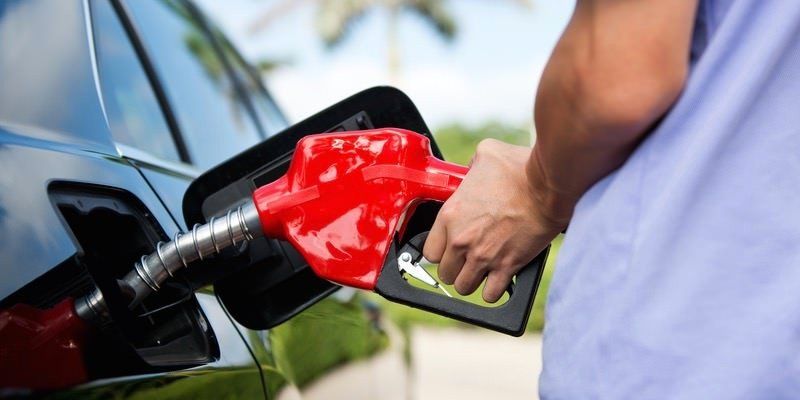
Have you ever noticed that just like gas prices, interest rates seem to go up and down for no reason at all?
How come it feels like right before you are ready to buy a property, rumours of interest rate changes will start to flood the media? Or why do gas prices always seem to go up right before the long weekend (when you are heading out of town)? You could spend a lifetime trying to figure these things out. However, knowing why these things happen isn't as important as knowing what to do when they happen!
How to Protect Yourself from Rising Interest Rates!
Allow me to share a few things you can do to protect yourself from rising interest rates if you are looking to purchase a property in the near future.
Be Prepared. Know Your Mortgage Options
Unlike most gas stations where gas is gas regardless of where you fill up, not all mortgage products are created equal. Just because a mortgage product has a lower sticker price attached, doesn't mean it's necessarily a better deal. You really have to understand the fine print in order to make the best choice for you.
As your unbiased mortgage professional, I can help you understand all the products available to you and how the fine print will impact the overall cost of the mortgage. I can help you understand the difference between fixed and variable rates, the impact of shorter vs longer terms and amortizations, pre-payment privileges, and potential mortgage penalties.
By understanding your options, you can make a decision that is based on your financial situation and goals rather than based on fluctuating interest rates. Protect yourself emotionally by not placing such a high value on an arbitrary "sticker price" (rate) instead focus on finding the best mortgage product available for you at the time you are purchasing.
Be Prepared. Get a Pre-approval With a Rate Hold
If you are shopping for a property, not only should you be pre-approved for the mortgage, but you should have a rate hold in place as well.
A pre-approval is a lender's written commitment to offer you a mortgage assuming the details in the application are proven accurate. A pre-approval is not a guarantee that you will get the mortgage, just that they have looked at the initial application and believe you are a enough of a qualified applicant to proceed once you have found a property to purchase.
The pre-approval process consists of the following:
- A mortgage application - to assess your financial situation (employment, credit and downpayment).
- Collection of documents - to support the application.
- Submission of the application - for lender review.
- A response from the lender - indicating they will consider lending to you based on a set purchase price limit, specific product, and acceptable property.
- A rate hold - the time you have to close the mortgage while they will guarantee it at a certain rate.
So as part of the pre-approval, it's really the rate hold that protects you against rising interest rates. A rate hold is a lender's commitment to hold a certain rate on a certain product for a certain time frame. For example, if you like the 5 year fixed term (product), and a lender is offering 2.64% (rate) a rate hold can be secured that will guarantee the rate anywhere from 30-120 days (time frame), this is the time you have to take possession of the property.
Some lenders offer more aggressive rates (lower rates) but limit the hold to a shorter time period, usually 30-60 days. This is why some banks, lenders, or brokers advertise "Rate Specials". However it should be noted that not all rate specials come with a rate hold. Some rates are only available for applications where an offer to purchase has been accepted on a property.
If your rate hold expires, it is easy enough to get another one in place with an updated application. Also, if rates drop while you have a hold in place, and you find a property to purchase, typically we are able to drop the rate for you at closing. It's as easy as that!
Now... if you made it this far and you're looking for advice on how to get the best price at the pump, unfortunately we can't help you out there, that is a mystery to everyone! But if you want to know more about securing a pre-approval and a rate hold, please contact any of our Canadian Mortgage Experts anytime!