
Finance Your Home Renovations
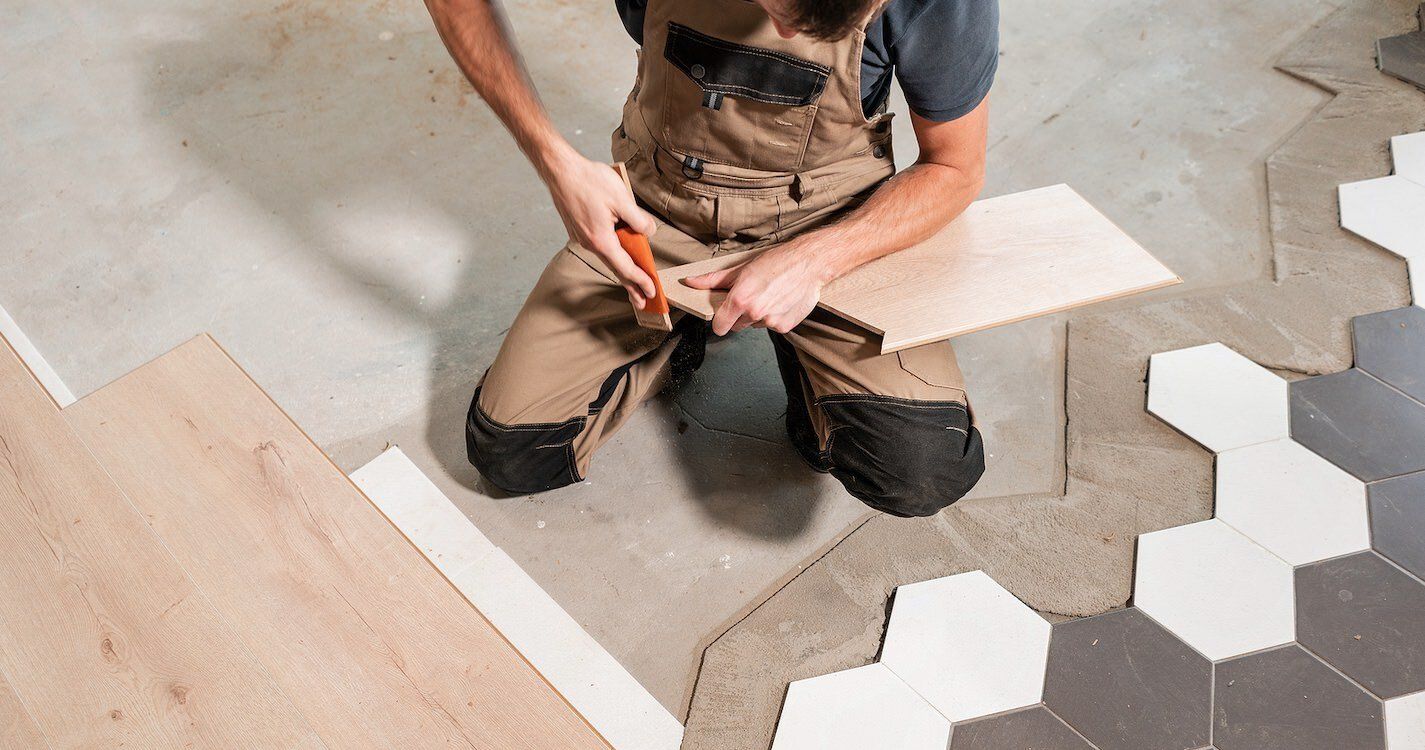
If you’re looking to do some home renovations but don’t have all the cash up front to pay for materials and contractors, here are a few ways to use mortgage financing to bring everything together.
Existing Home Owners - Mortgage Refinance
Probably the most straightforward solution, if you’re an existing homeowner, would be to access home equity through a mortgage refinance.
Depending on the terms of your existing mortgage, a mid-term mortgage refinance might make good financial sense; there’s even a chance of lowering your overall cost of borrowing while adding the cost of the renovations to your mortgage.
As your financial situation is unique, it never hurts to have the conversation, run the numbers, and look at your options. Let’s talk!
If you're not in a huge rush, it might be worth waiting until your existing term is up for renewal. This is a great time to refinance as you won’t incur a penalty to break your existing mortgage.
Now, regardless of when you refinance, mid-term or at renewal, you’re able to access up to 80% of the appraised value of your home, assuming you qualify for the increased mortgage amount.
Home Equity Line of Credit
Instead of talking with a bank about an unsecured line of credit, if you have significant home equity, a home equity line of credit (HELOC) could be a better option for you.
An unsecured line of credit usually comes with a pretty high rate. In contrast, a HELOC uses your home as collateral, allowing the lender to give you considerably more favourable terms.
There are several different ways to use a HELOC, so if you’d like to talk more about what this could look like for you, connect anytime!
Buying a Property - Purchase Plus Improvements
If you’re looking to purchase a property that could use some work, some lenders will allow you to add extra money to your mortgage to cover the cost of renovations. This is called a purchase plus improvements. The key thing to keep in mind is that the renovations must increase the value of the property. There is a process to follow and a lot of details to go over, but we can do this together.
So if you’d like to discuss using your mortgage to cover the cost of renovating your home, please connect anytime!