
Construction. Not Taxation. | Recent Studies

Jackson Middleton • June 7, 2018

Increased supply and greater density are keys to tackling housing affordability issues in BC’s Lower Mainland. That position is increasingly being supported by researchers and policy experts.
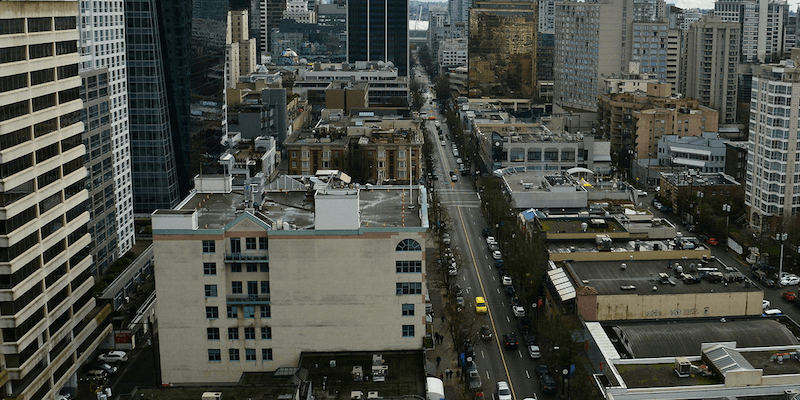
An independent report released this week by the UBC Sauder Centre for Social Innovation & Impact looked at the factors affecting housing prices in Metro Vancouver. The report concluded that the effect of burdensome regulation and zoning constraints on the housing market is up to six times larger than any pricing impact caused by speculators.

Read the full report from UBC

The CD Howe Institute also released a report this week that described how excessive regulation is driving up the price of new homes in Canada, with Vancouver being the most over regulated city in Canada. According to the report, municipal regulation costs home buyers an average of $600,000 per unit.

Read the full report from the CD Howe Institute


This article was originally published as part of the CMBA-BC June 2018 Newsletter to their members, but as we agree that supply is the key as well as reducing DCC’s and Municipal development costs, we thought we’d share this post on our blog.

RECENT POSTS 

By Deploy.Mortgage April 10, 2026
Your credit score is one of the most important numbers in your financial life — especially when it comes to getting a mortgage. But for most Canadians, how that number actually gets calculated remains a bit of a mystery.
By DLC Canadian Mortgage Experts December 28, 2022
Did you know there’s a program that allows you to use your RRSP to help come up with your downpayment to buy a home? It’s called the Home Buyer’s Plan (or HBP for short), and it’s made possible by the government of Canada. While the program is pretty straightforward, there are a few things you need to know. Your first home (with some exceptions) To qualify, you need to be buying your first home. However, when you look into the fine print, you find that technically, you must not have owned a home in the last four years or have lived in a house that your spouse owned in the previous four years. Another exception is for those with a disability or those helping someone with a disability. In this case, you can withdraw from an RRSP for a home purchase at any time. You have to pay back the RRSP You have 15 years to pay back the RRSP, and you start the second year after the withdrawal. While you won’t pay any tax on this particular withdrawal, it does come with some conditions. You’ll have to pay back the total amount you withdrew over 15 years. The CRA will send you an HBP Statement of Account every year to advise how much you owe the RRSP that year. Your repayments will not count as contributions as you’ve already received the tax break from those funds. Access to funds The funds you withdraw from the RRSP must have been there for at least 90 days. You can still technically withdraw the money from your RRSP and use it for your down-payment, but it won’t be tax-deductible and won’t be part of the HBP. You can access up to $35,000 individually or $70,00 per couple through the HBP. Please connect anytime if you’d like to know more about the HBP and how it could work for you as you plan your downpayment. It would be a pleasure to work with you.